North India, a region prone to seismic activity, demands urgent attention to enhance the seismic safety of load-bearing houses. This blog post delves into the concept of establishing a business model that focuses on providing comprehensive seismic retrofitting services. While exploring retrofitting solutions for load-bearing houses, it is imperative to underscore the significance of extensive research and development to ensure the effectiveness and suitability of these solutions in North India's unique context.
- Incorporating
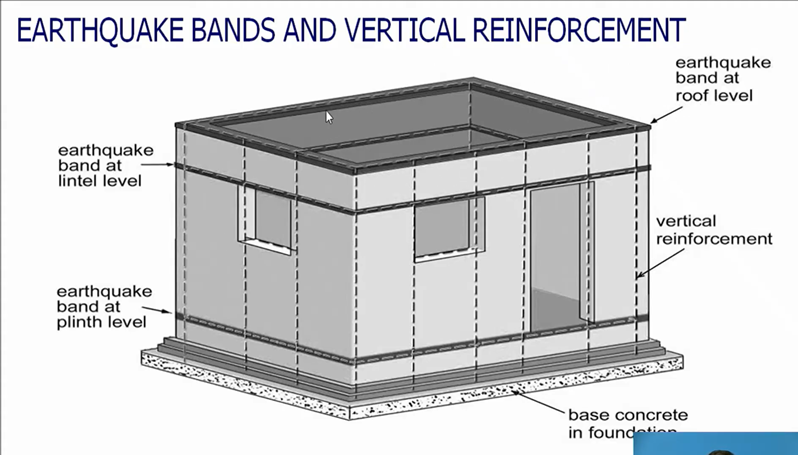
FRP Bands/Strips for Vertical Reinforcement:
- · To
reinforce vertical elements of load-bearing houses, integrating Fiber
Reinforced Polymer (FRP) bands or strips is crucial.
- · This
retrofitting technique enhances structural integrity, ductility, and seismic
resistance.
- · Optimizing
the application and performance of FRP materials necessitates comprehensive
research and development.

- 2. Utilizing
Shotcrete for Strengthening Walls and Foundations:
- · Implementing
shotcrete, a sprayed concrete material, effectively reinforces load-bearing
house walls and foundations.
- · Assessing
the compatibility and effectiveness of shotcrete in the North Indian context
requires extensive research and development.
- · Consider
local material availability, climate conditions, and seismic design parameters
during the research and development process.
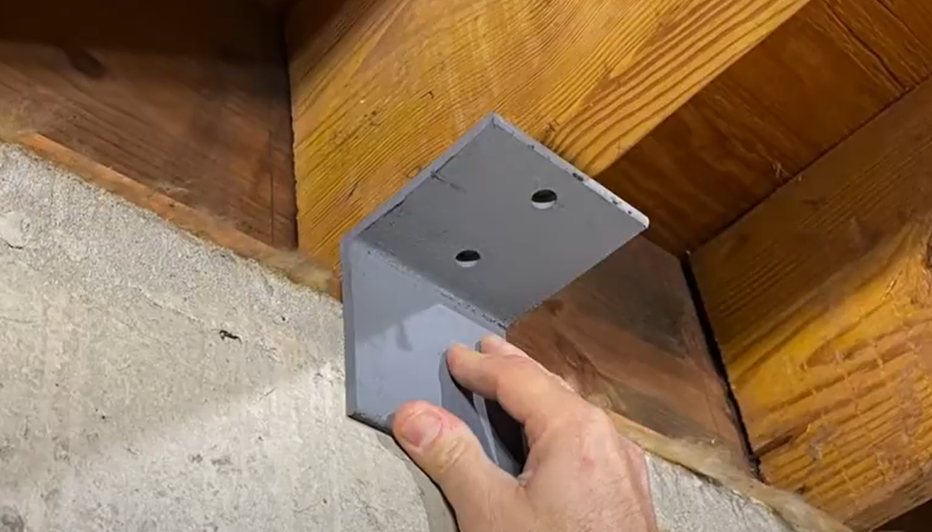
- 3 Cost-Effective
Steel Bracing for Increased Strength and Stiffness:
- · Steel
bracing proves to be a valuable retrofitting technique for enhancing the
strength and stiffness of load-bearing house structures.
- · In-depth
research and development are necessary to determine the optimal placement and
configuration of steel braces.
- · During
the research and development phase, factors such as load transfer, connection
details, and anchorage requirements should be considered.
- 4.Exploring
Masonry Reinforcement for Improved Structural Performance:
- · Masonry
reinforcement techniques involving the addition of steel bars or wires are
worth considering to enhance the strength and ductility of load-bearing houses.
- · Thorough
research and development are essential to evaluate the compatibility,
cost-effectiveness, and practicality of masonry reinforcement in the North
Indian context.
- · Collaboration
with experts and local stakeholders can contribute to the development of
standardized guidelines for implementing masonry reinforcement techniques.
While the presented retrofitting solutions hold
promise for strengthening load-bearing houses in North India, extensive
research and development is critical before practical implementation.R&D
evaluates the feasibility, effectiveness, and long-term performance of
retrofitting techniques under specific seismic and environmental conditions
prevalent in the region.By tailoring retrofitting solutions to the unique
requirements and challenges of North Indian load-bearing houses through
thorough R&D, safer and more resilient structures can be achieved.
Establishing a business model for seismic retrofitting
services in North India presents an invaluable opportunity to contribute to the
safety and resilience of load-bearing houses in the region.By offering a range `of
solutions, including FRP bands/strips, shotcrete, steel bracing, and masonry
reinforcement, the business can play a vital role in mitigating earthquake
risks.However, it is crucial to prioritize extensive research and development
to validate the effectiveness and suitability of these solutions in the local
context.Combining innovation with rigorous R&D efforts will pave the way
for safer and more resilient communities in North India.
Comments
Post a Comment